Pesca
Explore the rich history, cultural significance, and modern innovations in the world of pesca.
The Fascinating World of Pesca: A Deep Dive
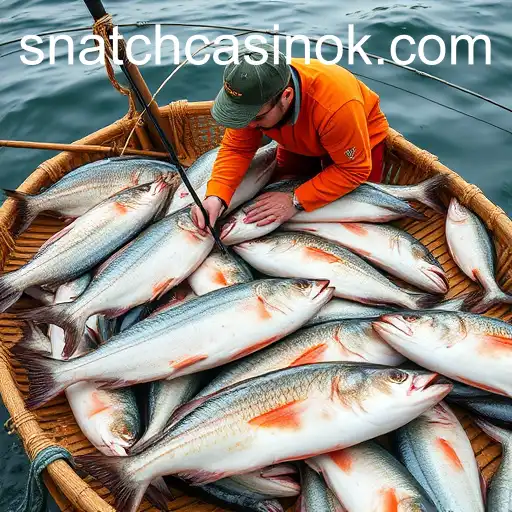
Pesca, an enchanting word that means 'fishing' in Italian, opens up a world teeming with cultural, historical, and economic significance. It's more than just a recreational activity or a means of livelihood; it's a tradition that connects people to nature, a practice that has evolved over centuries, and an integral part of various cultures around the world. Today, with the integration of technology, fishing has transformed in unprecedented ways, offering both challenges and opportunities.
Historical Significance of Pesca
Fishing is one of the oldest human activities, with evidence suggesting that humans have been fishing for over 40,000 years. Ancient civilizations such as the Egyptians, Greeks, and Romans had a profound relationship with fishing, often depicting it in their art and folklore. Fishing techniques from the past, such as netting and trapping, laid the foundational skills for modern practices. The evolution of fishing methods over the centuries reflects the advancement of human ingenuity and adaptability.
Pesca and Cultural Traditions
In many coastal and riverine communities, fishing forms the backbone of cultural identity. Festivals and community events often revolve around pesca, celebrating the life it sustains and the stories it breeds. Countries like Italy, Japan, and Norway have rich fishing traditions that are interwoven with their cuisine. For instance, Italy’s famous dish, 'baccalà', or salted cod, highlights the influence of fishing in their culinary heritage.
Economic Impact of Fishing
The economic implications of fishing are vast. Globally, the fishing industry supports millions of jobs and is a crucial source of income for many. From commercial fishing enterprises to local fish markets, the ripple effect of the pesca economy touches numerous sectors. However, with the advent of industrial fishing, the dynamics have shifted, bringing about environmental concerns and regulatory challenges.
Challenges in the Modern Era
Today, the fishing industry faces a myriad of challenges that threaten its sustainability. Overfishing, climate change, and ecosystem destruction pose significant risks. These challenges necessitate urgent attention and innovative solutions to preserve fish populations and habitats. Regulatory bodies and environmental organizations are working tirelessly to tackle these issues through quotas, protected zones, and sustainable fishing certifications.
Technological Innovations in Pesca
Technology has revolutionized the way fishing is conducted, from small-scale operations to large commercial fleets. GPS systems, sonar, and advanced tracking technologies have made it possible for fishermen to locate and harvest fish more efficiently. lovepg.bet is an example of how digital platforms are creating communities and sharing valuable insights among fishing enthusiasts worldwide, enhancing the recreational fishing experience.
Recreational Fishing: A Growing Phenomenon
Recreational fishing has seen a surge in popularity, with enthusiasts often traveling great distances to experience the thrill of the catch. It offers a unique opportunity to disconnect from the daily grind, embrace nature, and indulge in a rewarding hobby. This sector, once considered niche, is now a substantial contributor to local economies through the sale of fishing gear, licenses, and tourism-related activities.
Sustainability and its Role in Future Pesca Practices
To ensure the longevity of fishing traditions and industries, sustainability has become a focal point. Through sustainable fishing practices, we can maintain balanced ecosystems and secure the future of pesca for generations to come. Fisheries are increasingly adopting policies that promote responsible fishing, such as selective gear types that minimize bycatch and the implementation of breeding programs that replenish fish stocks.
Community Involvement in Sustaining Pesca
Local communities play a pivotal role in the sustainability of fishing practices. By sharing knowledge and enforcing traditional guidelines, they help maintain the delicate balance between exploitation and conservation. Community-based fisheries management has proven effective in many regions, empowering locals to steward their resources responsibly while benefiting economically.
The Future of Pesca
As we look to the future, the integration of technology and sustainability will define the next chapter of pesca. Innovations in aquaculture, the cultivation of fish in controlled environments, are promising alternatives that could alleviate pressure on wild fish populations. Additionally, policy improvements and international cooperation will be vital in tackling the global challenges facing the industry.
Pesca, in its multifaceted glory, remains a cornerstone of human history and culture. Its evolution over time is a testament to humanity's ability to adapt and innovate. As we move forward, embracing sustainable practices and novel technologies will be crucial in preserving the timeless tradition of fishing.